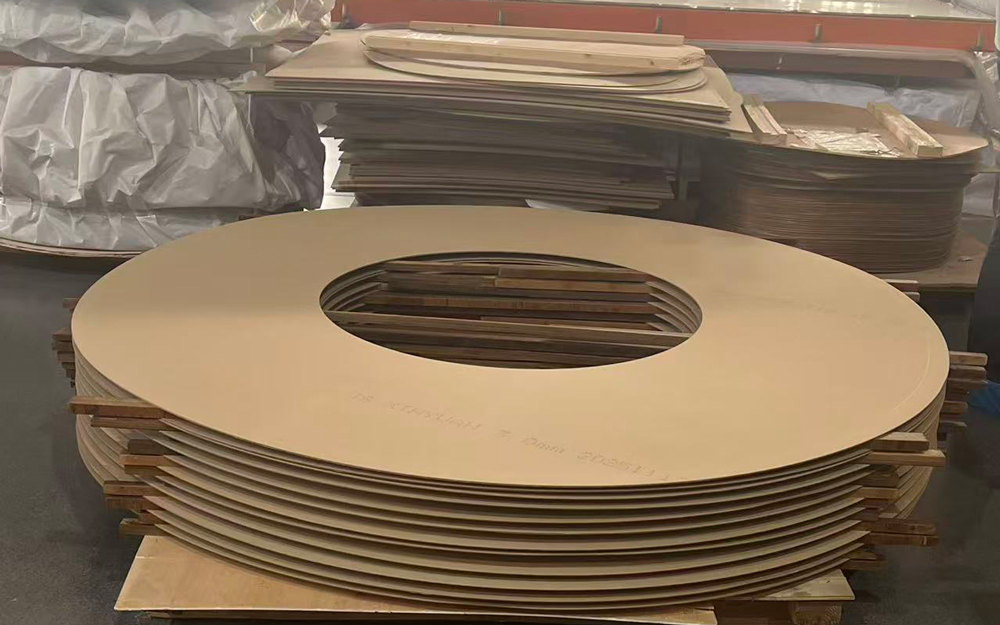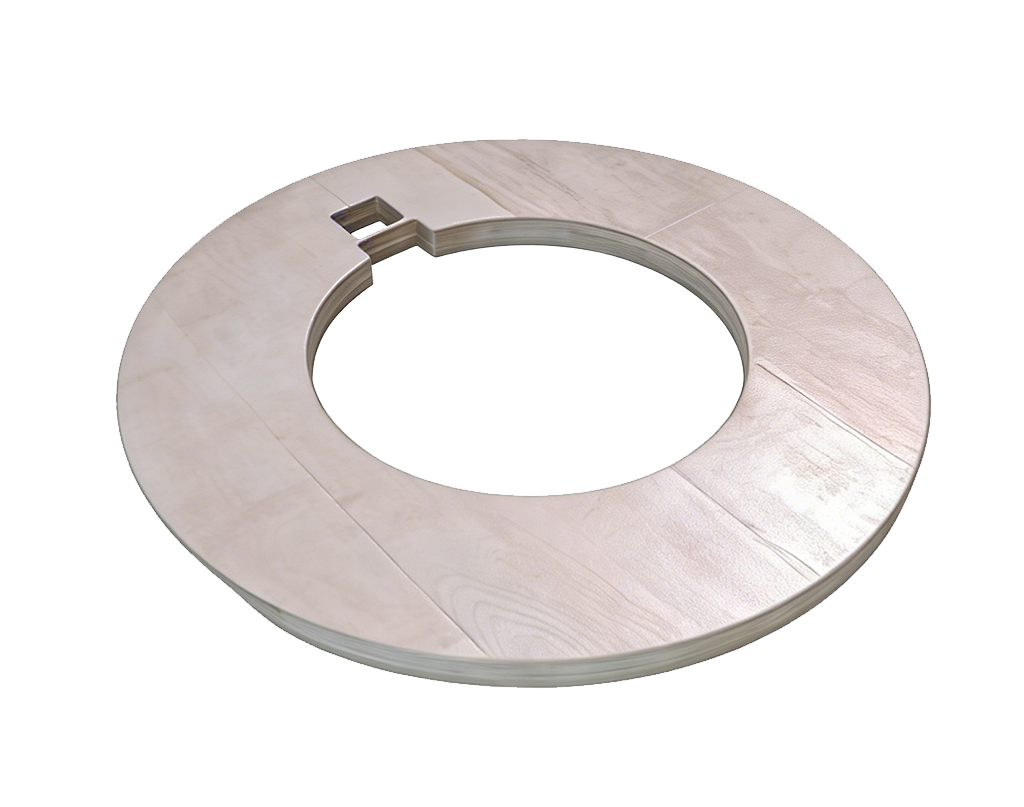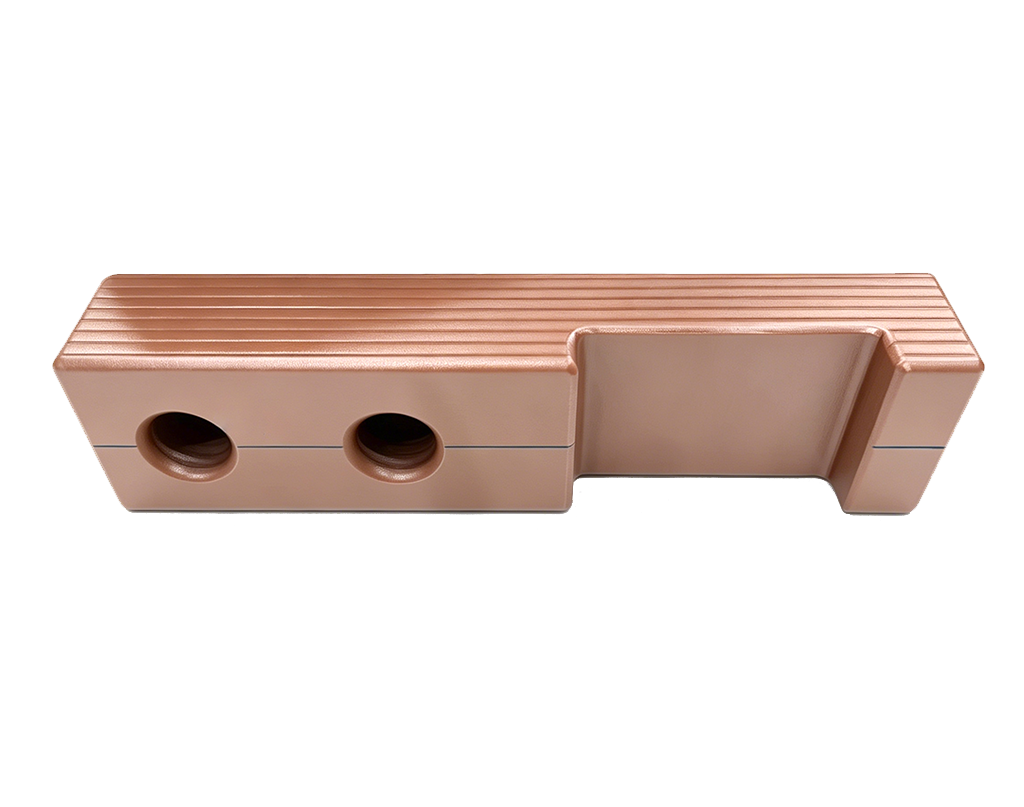
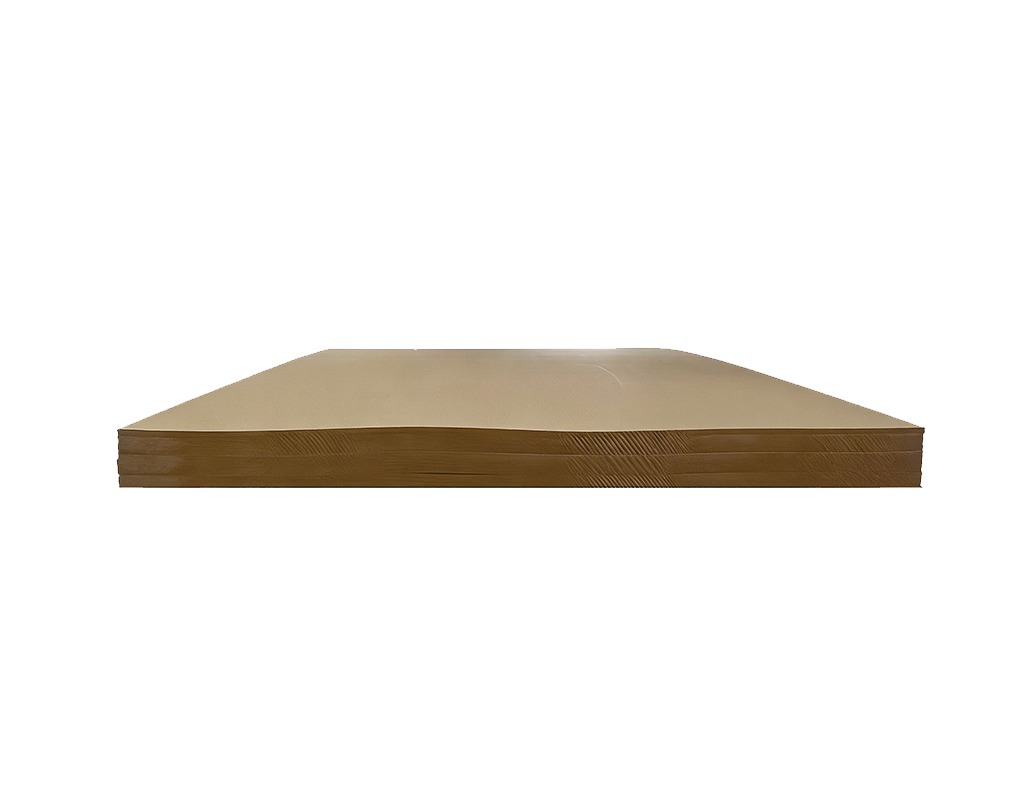
Electrical Laminated Wood (ELW) is an engineered composite made by bonding thin wood veneers—typically beech or birch—with phenolic resin under heat and pressure. Unlike ordinary lumber, it is designed to withstand extreme electrical, mechanical, and thermal stresses in high-voltage environments.
The process involves six critical steps: log selection, veneer slicing, precision drying, resin coating, hot pressing at 140–160°C, and post-curing for dimensional stability. Premium grades use vacuum-pressure resin impregnation for deeper penetration.
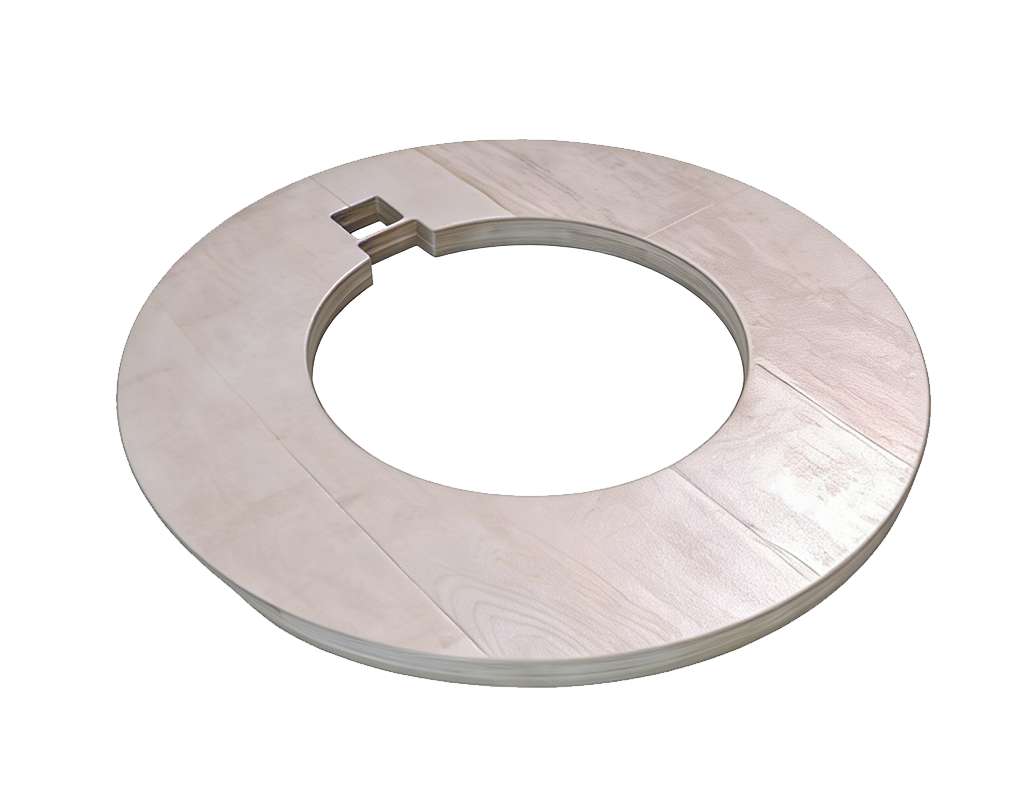
ELW is indispensable in oil-immersed power transformers—serving as winding supports, insulation barriers, and lead supports. It also appears in circuit breaker arc chutes, bushing cores, and HVDC converter transformers. Despite being only 2–5% of a transformer's mass, its insulation integrity is absolutely critical.
In an age of carbon fiber and epoxy composites, ELW offers a rare combination of renewable sourcing, low embodied energy, and proven reliability spanning over a century. Life-cycle assessments show ~60% lower carbon footprint versus epoxy alternatives.
The global ELW market is valued at ~$180–220M annually (2024), with steady growth driven by grid modernization and renewable energy integration. Key players include Röchling (Germany), Plyterra (Baltics), and Yamauchi (Japan). Emerging trends include nano-modified resins and bio-based alternatives to reduce petrochemical dependence.