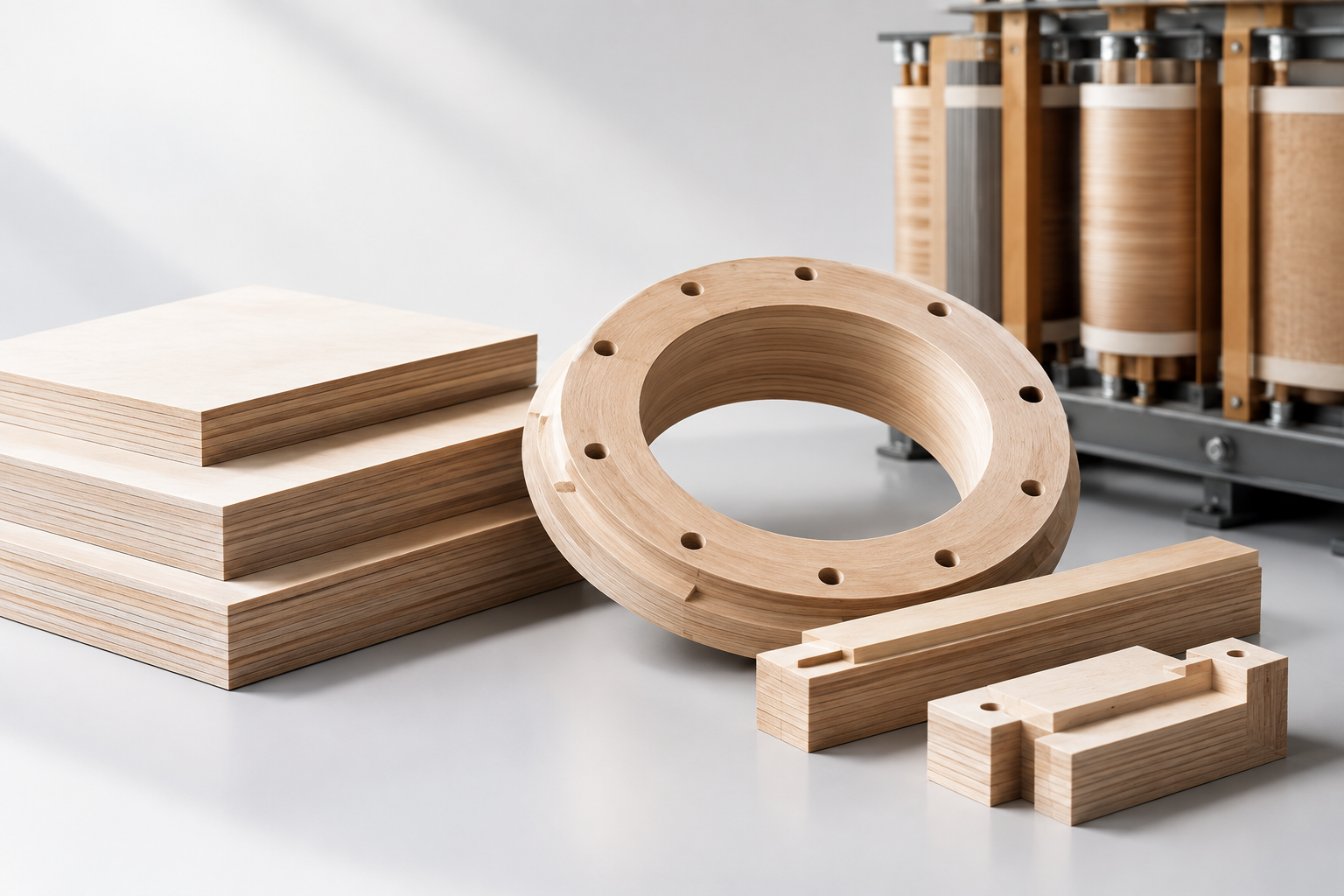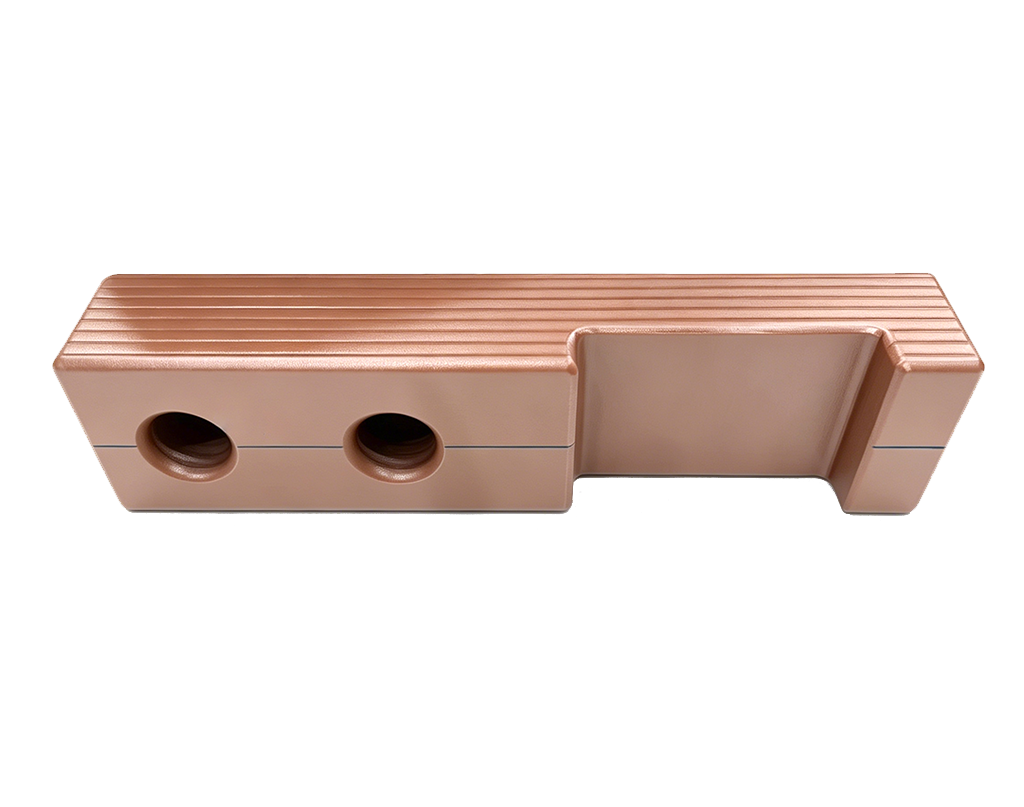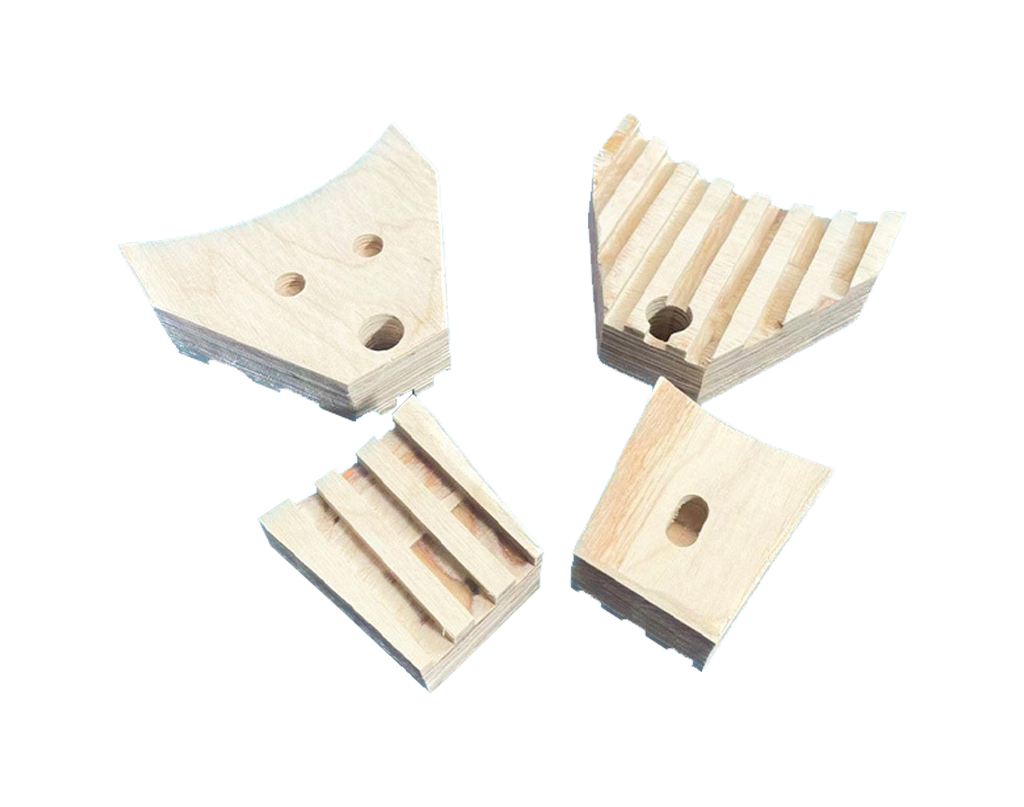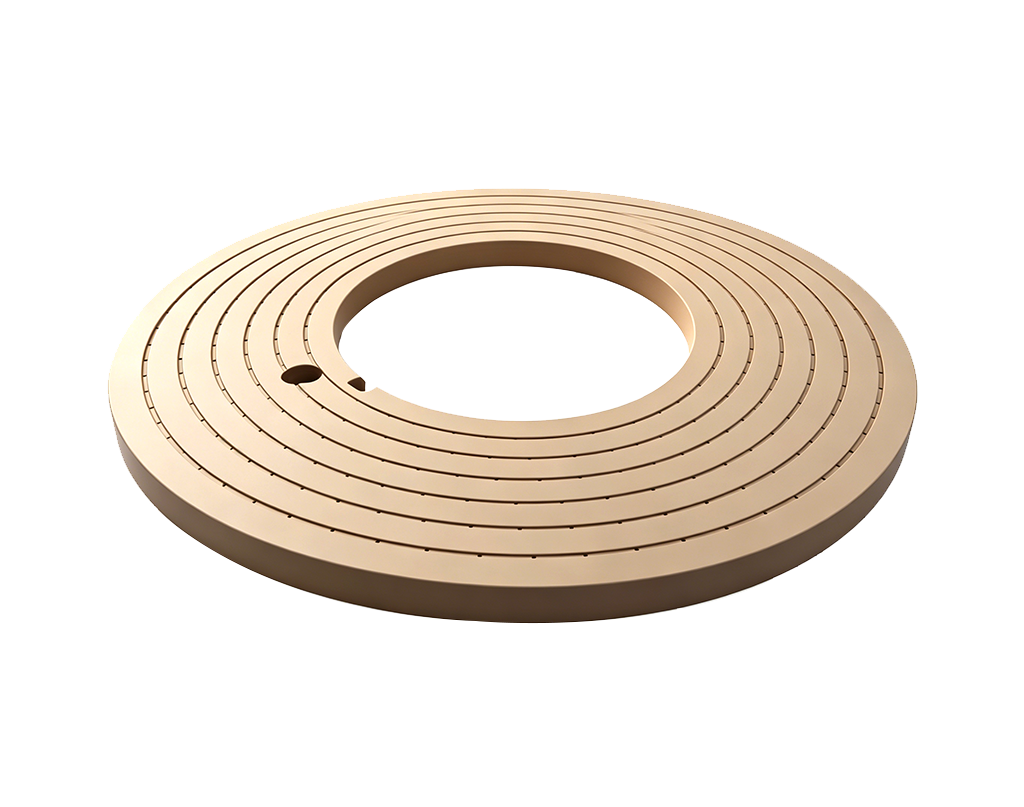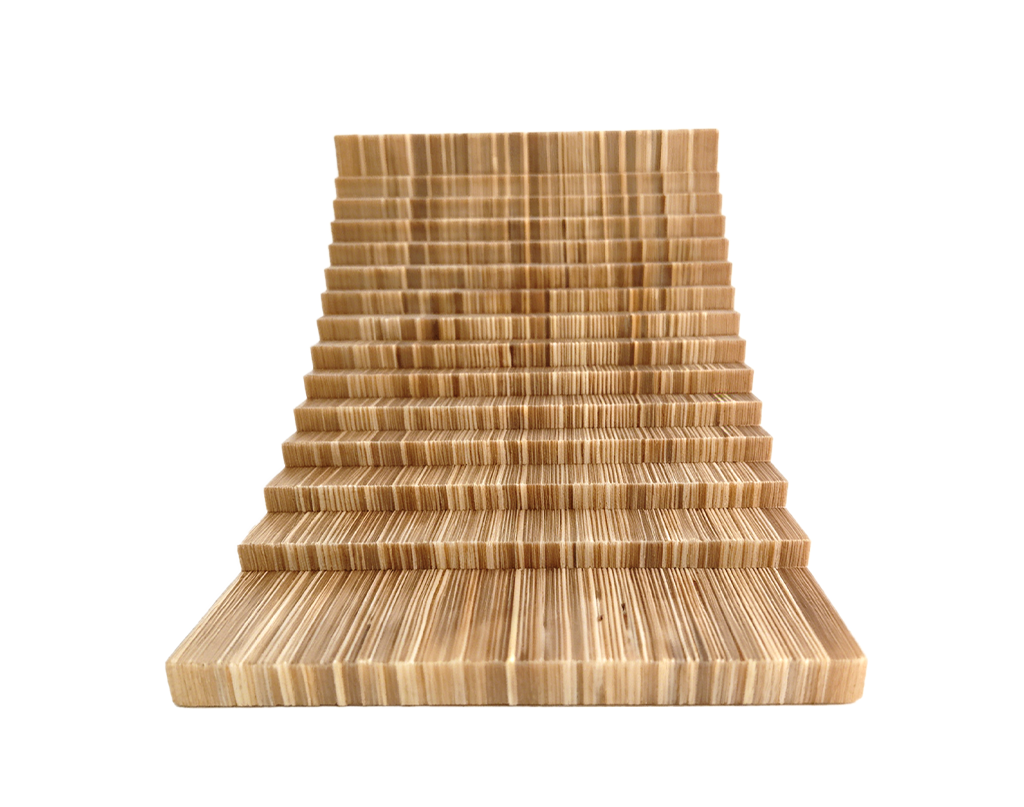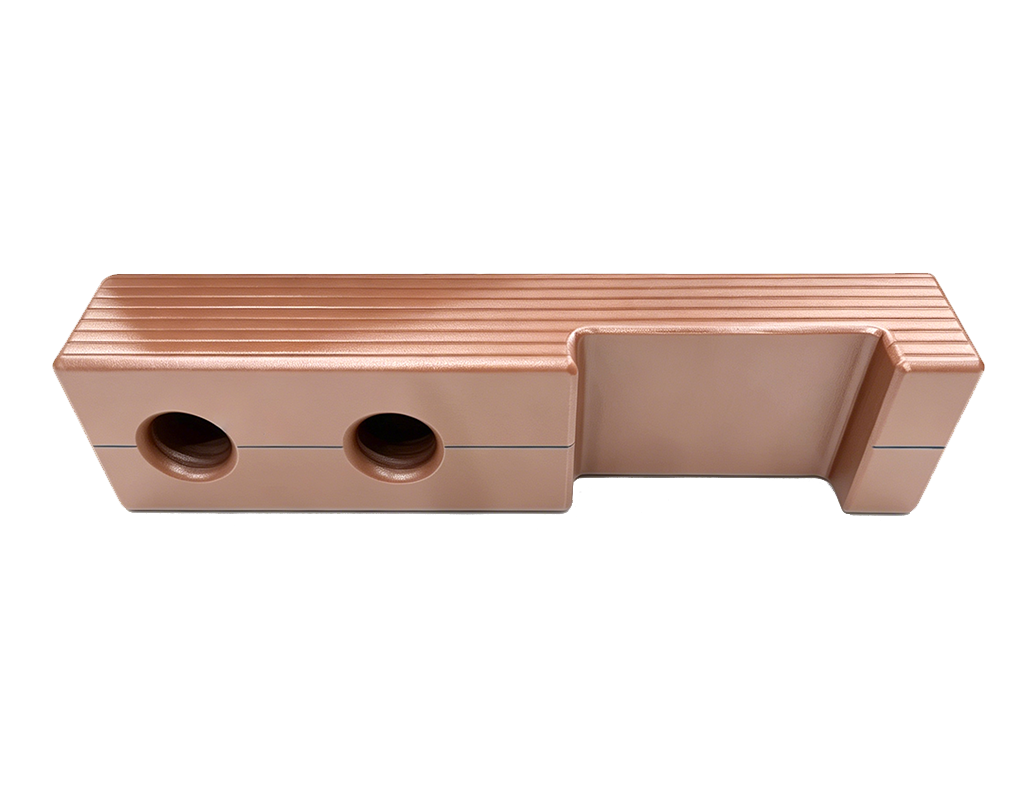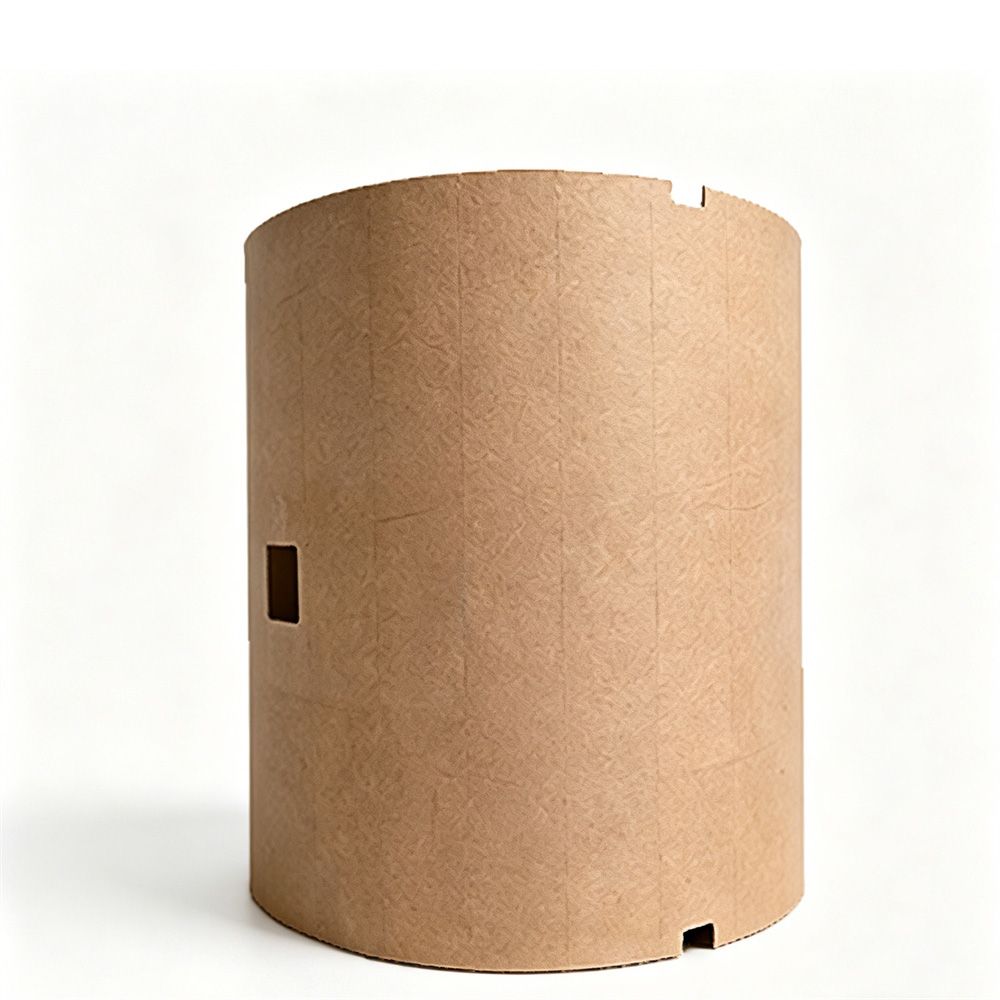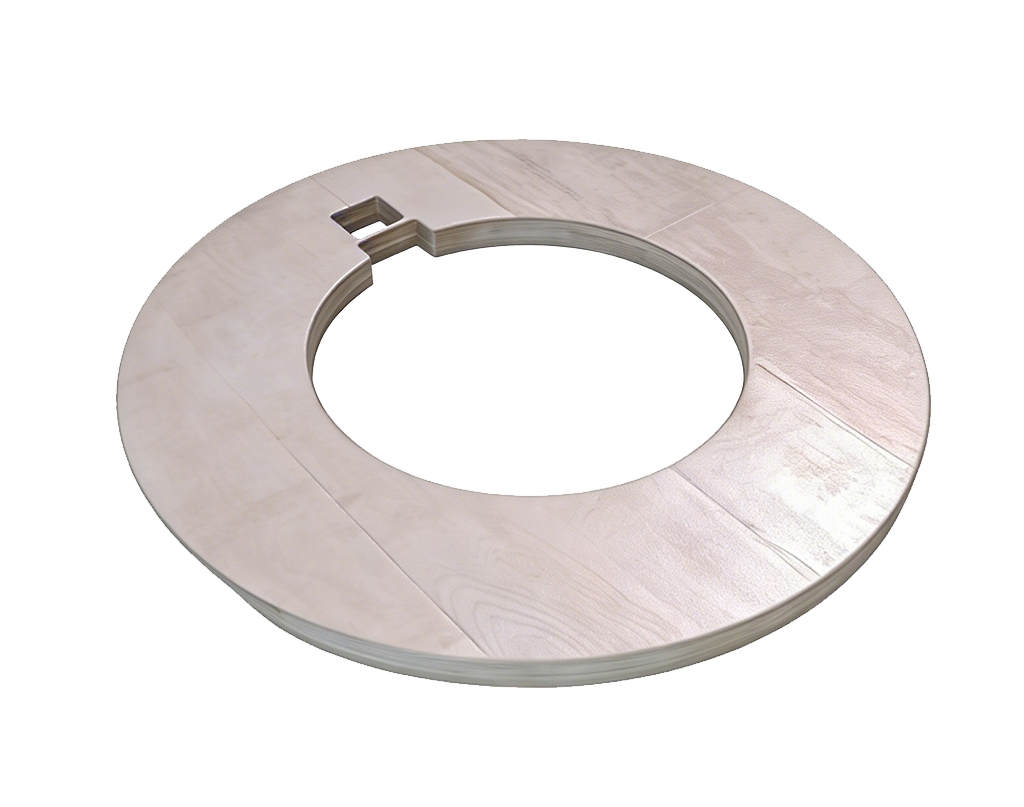
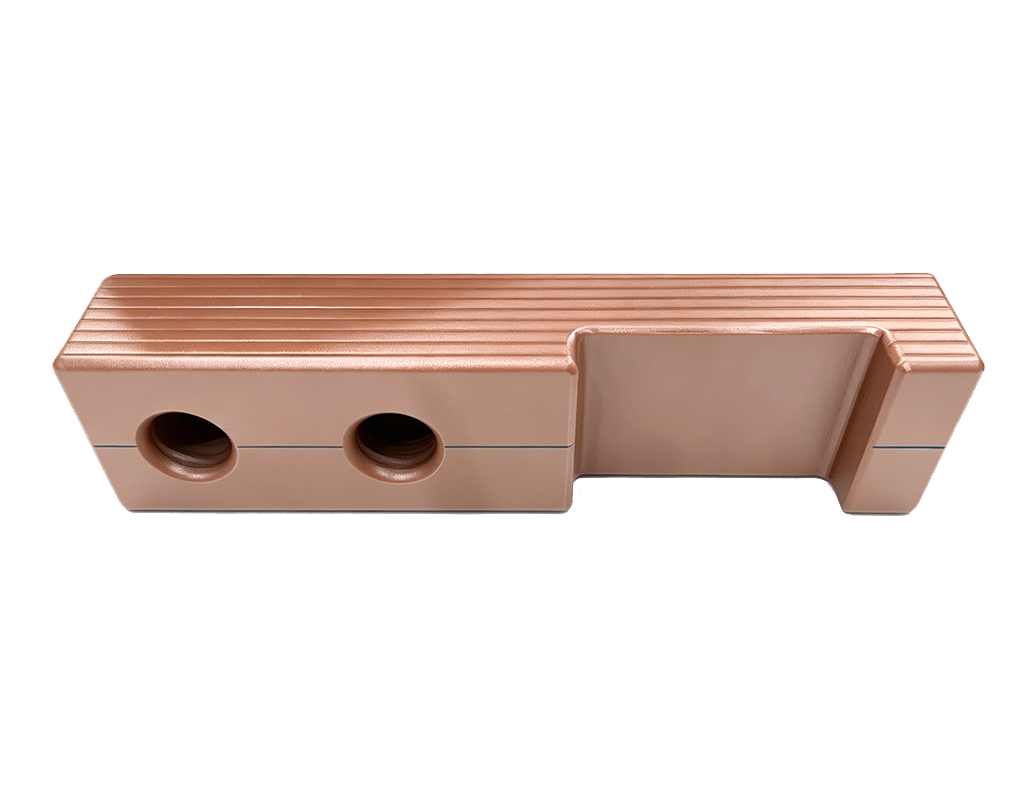
An insulation plate (or insulation block) is a rigid, engineered component made from dielectric materials such as laminated wood, phenolic resin, epoxy fiberglass, or PTFE. It is precision-machined to exact tolerances and designed to perform multiple critical functions in electrical equipment—far beyond simple "spacing."
The primary role of an insulation plate is to block the flow of electric current between components. In a transformer, for example, the plate maintains creepage and clearance distances between high-voltage windings and grounded metal frames. Without it, leakage currents and flashovers would destroy the system within seconds.
Insulation plates are not just passive spacers—they actively support heavy windings, busbars, and structural assemblies. A single plate in a large power transformer may bear compressive loads exceeding several tons while maintaining strict dimensional stability under thermal cycling.
In oil-immersed equipment, insulation plates help channel cooling oil through winding channels and maintain open oil ducts. Their machined grooves and drilled holes are strategically designed to optimize oil flow, dissipating heat that would otherwise degrade insulation and shorten equipment life.
Every hole, slot, and step on an insulation plate is machined to ±0.1 mm tolerances to ensure coils, leads, and cores are positioned exactly where the design specifies. This precision prevents mechanical deformation under electromagnetic forces and thermal expansion.
Insulation plates appear across the entire high-voltage ecosystem: power transformers (winding supports, lead holders, barrier rings), circuit breakers (arc chute spacers, operating rod guides), bushings (mounting flanges, radial barriers), and switchgear (phase separators, support brackets).
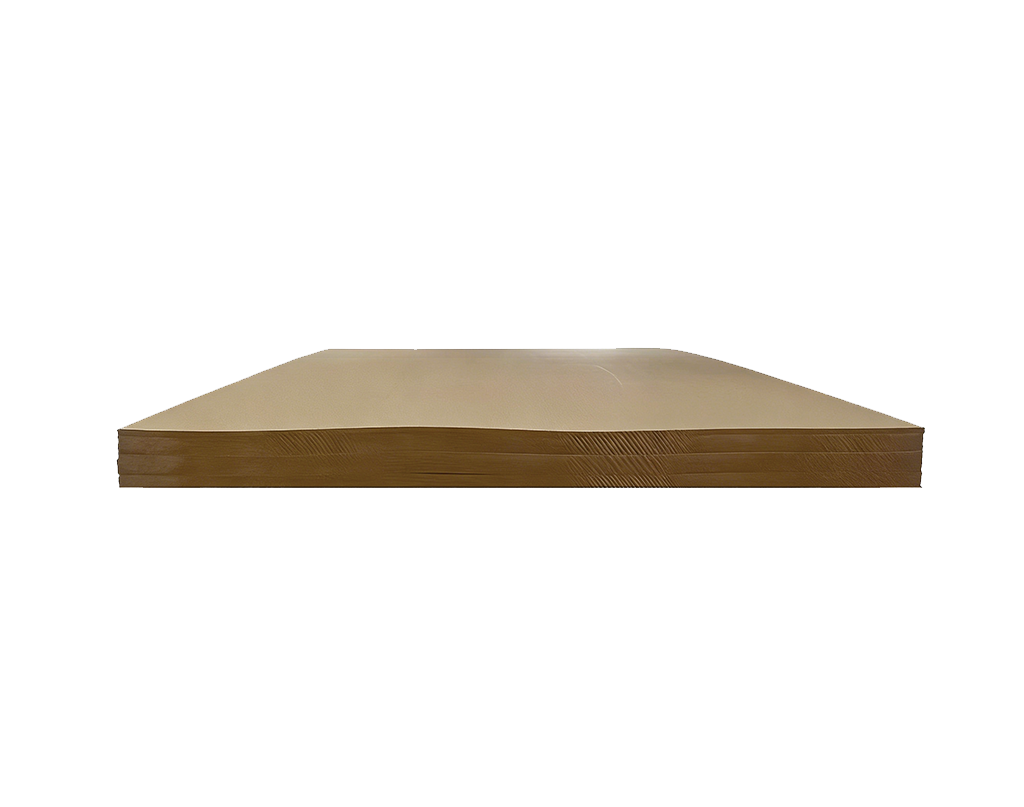
Material selection directly determines performance. Laminated wood excels in oil-filled transformers due to its oil compatibility and low cost. Phenolic / Bakelite offers superior moisture resistance and dimensional stability for dry-type equipment. Epoxy fiberglass provides the highest mechanical strength for heavy-duty applications. The right material ensures the plate performs its role for 30+ years without degradation.
No single material can simultaneously provide electrical isolation, mechanical strength, thermal endurance, and machinability at the cost and reliability that insulation plates deliver. They are the silent guardians of the electrical grid—small in size, massive in responsibility.