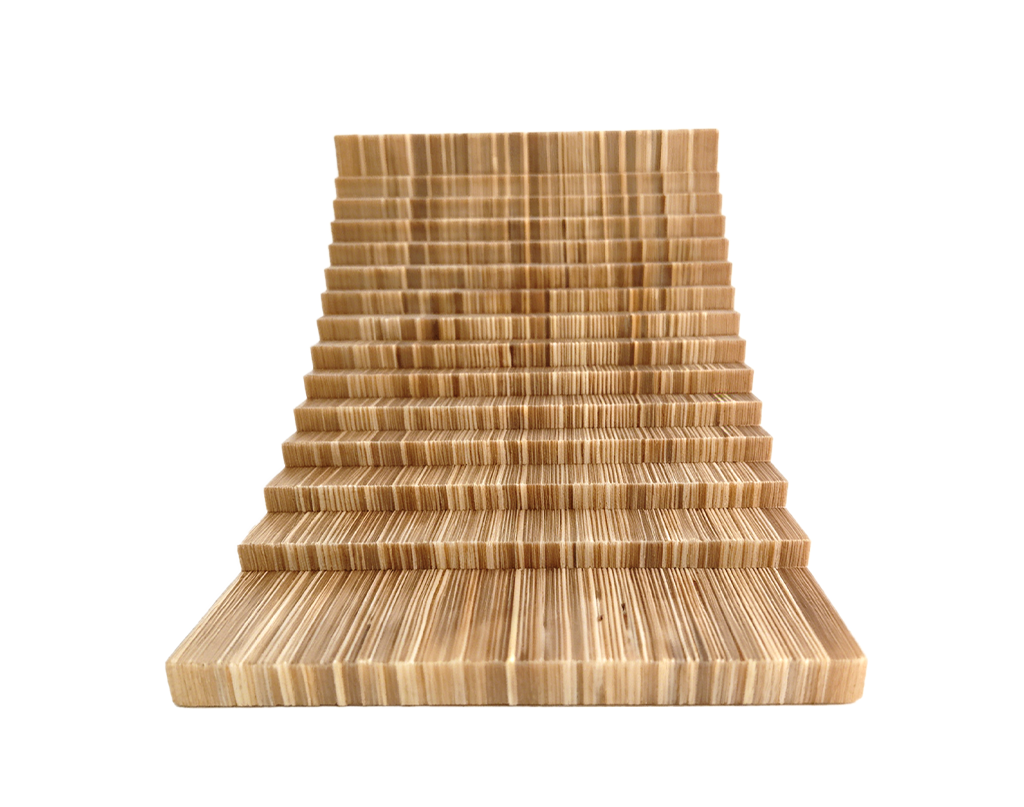
Density is an important parameter for electrical laminated wood used in transformer insulation structures. Published data for specific birch electrical laminated wood grades show density ranges from 1.0 to 1.3 g/cm³.
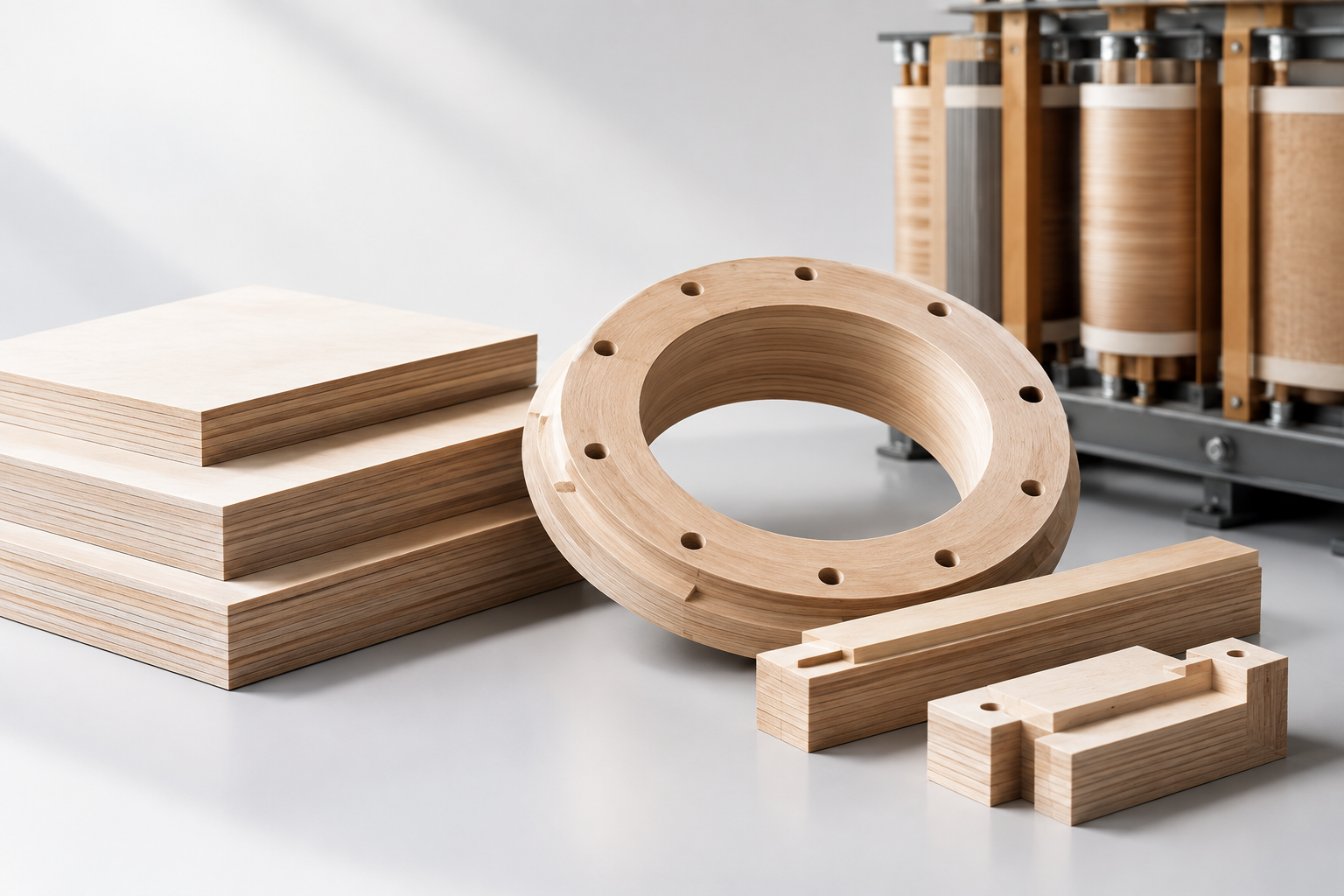
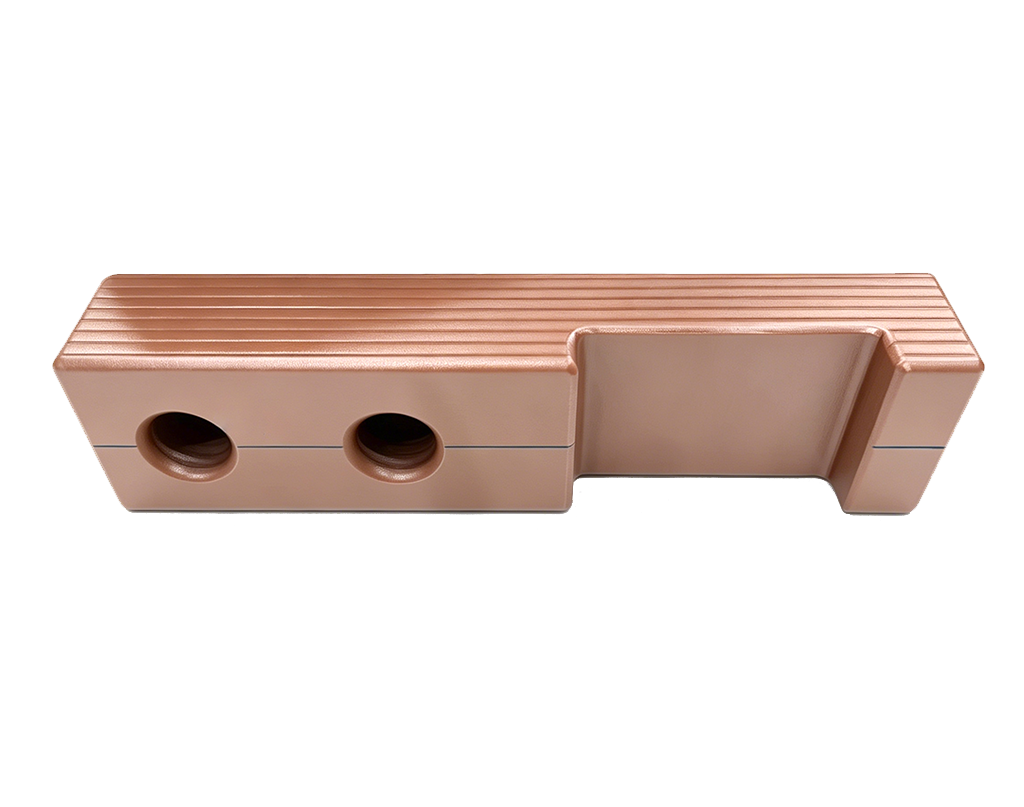
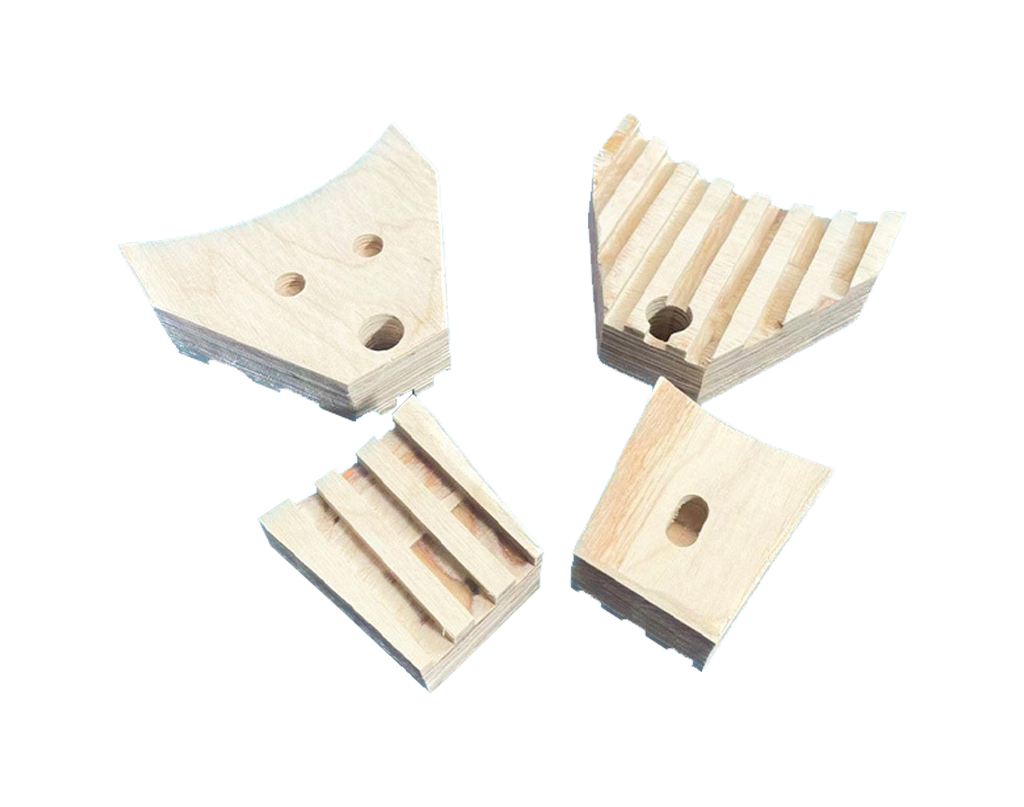
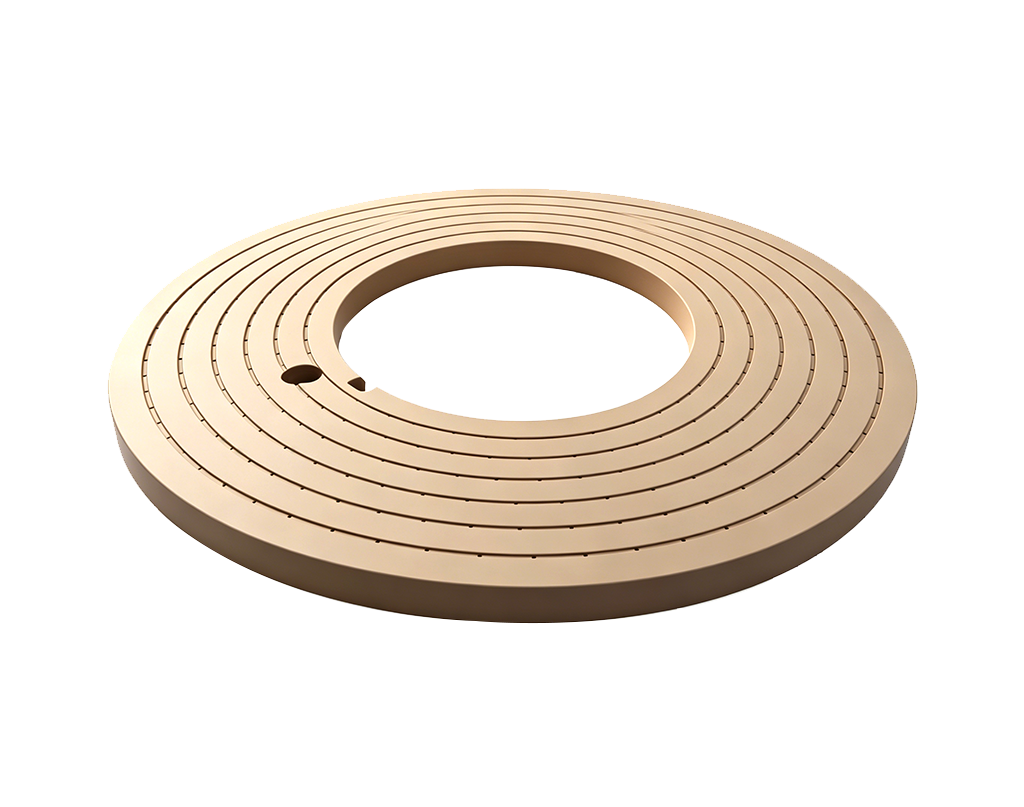
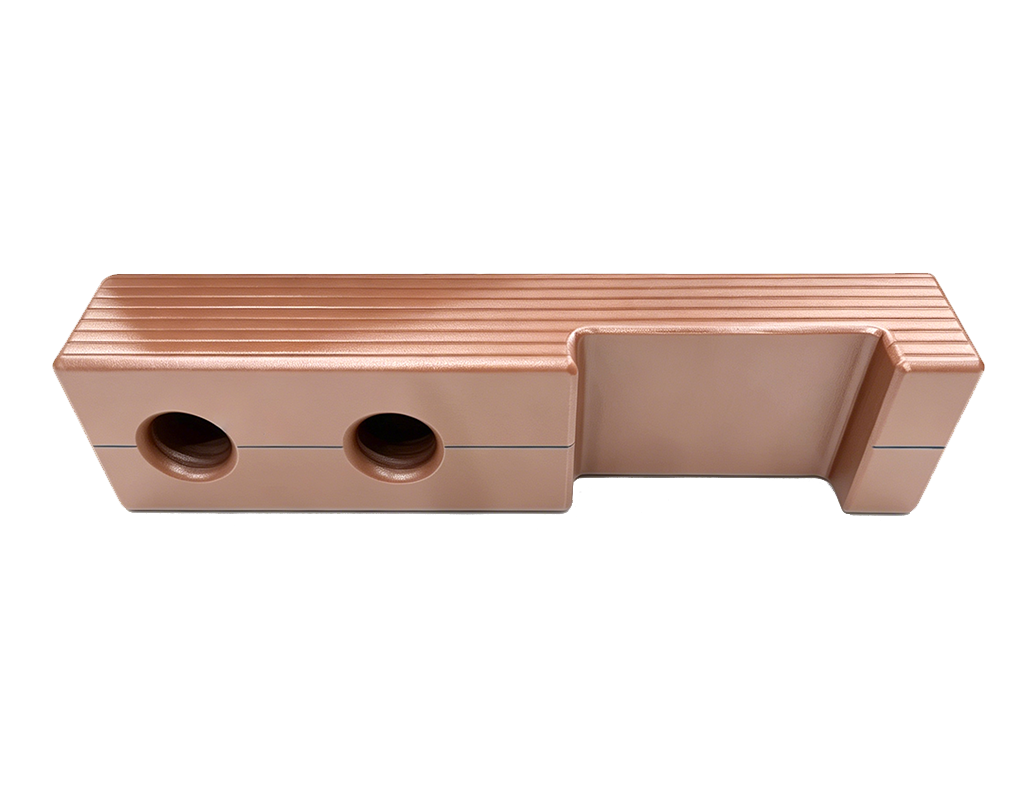
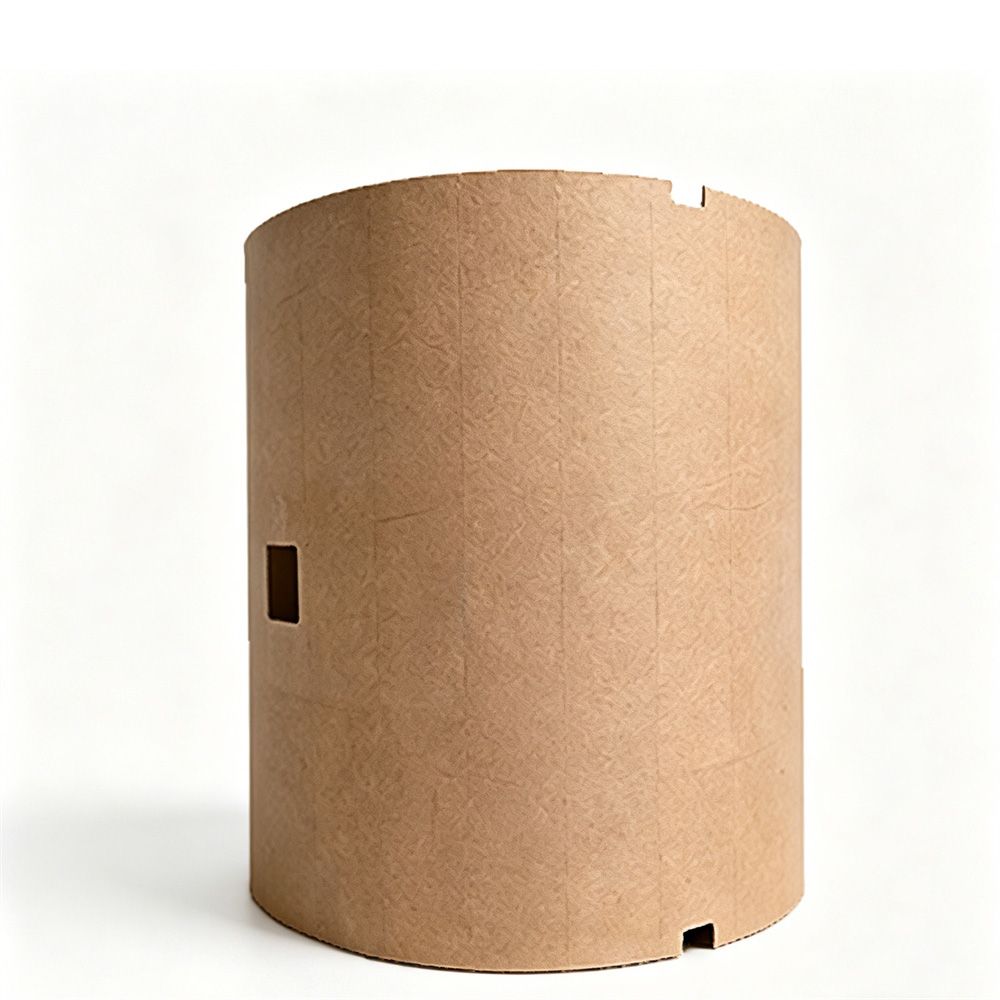
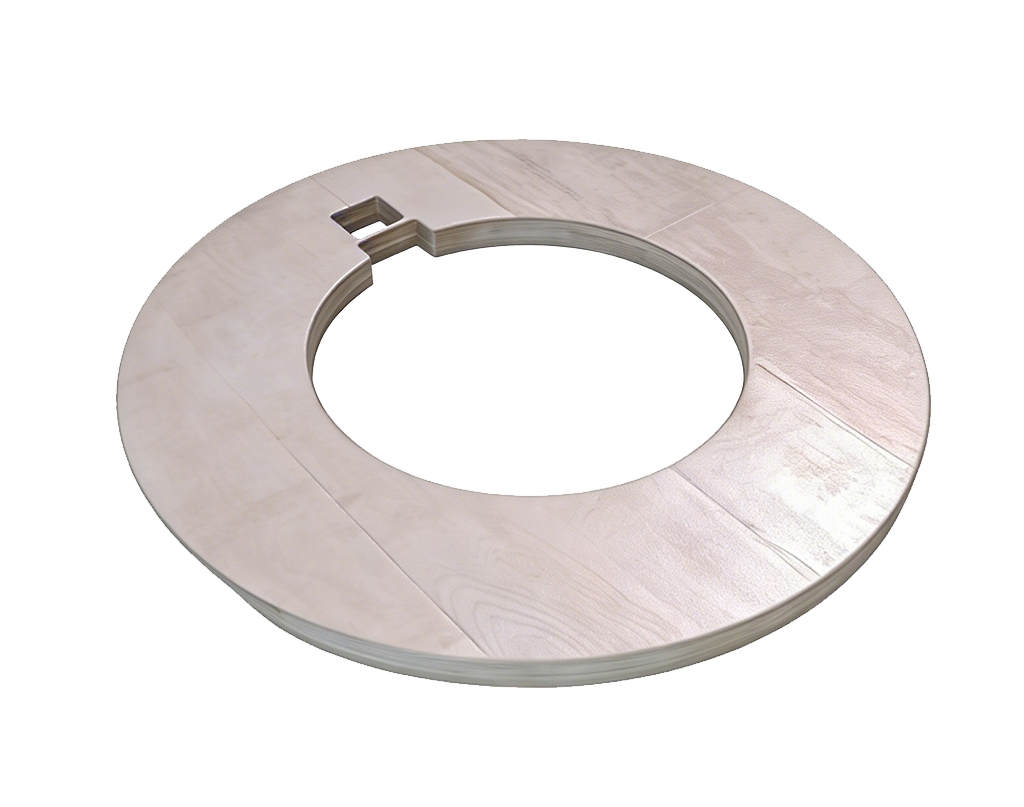
Electrical laminated wood is commonly used for pressure plates, pressure rings, spacers, supports, and other insulating structural components. Density varies by material grade and manufacturing process, so it should be evaluated together with mechanical and electrical properties.
Density and Mechanical Properties
Electrical laminated wood is made from multiple layers of wood veneer bonded and pressed under controlled conditions. Different density grades can have different mechanical properties.
| Grade | Density | Flexural Strength* | Impact Strength | Interlaminar Shear Strength |
| DLW101 | 1.2–1.3 g/cm³ | ≥80 MPa | ≥15 kJ/m² | ≥9 MPa |
| DLW201 | 1.1–1.2 g/cm³ | ≥65 MPa | ≥13 kJ/m² | ≥8 MPa |
| DLW202 | 1.1–1.2 g/cm³ | ≥65 MPa | ≥13 kJ/m² | ≥8 MPa |
| DLW301 | 1.0–1.1 g/cm³ | ≥55 MPa | ≥10 kJ/m² | ≥7 MPa |
Flexural strength perpendicular to the laminations.
Data source: ZTELEC Group, Electrical Laminated Wood for Oil-Immersed Transformer. The DLW101, DLW201, DLW202, and DLW301 grades and the values shown above are taken from ZTELEC Group's published technical data and are provided here for technical reference. They are not WXT Industry product specifications.
Within this specific group of published data, higher-density grades have higher specified values for several mechanical properties. However, density alone does not determine mechanical strength.
Fiber orientation, veneer lay-up, bonding quality, component geometry, and loading direction can also affect performance. Therefore, density should be considered together with the actual requirements of the finished component.
Density and Electrical Properties
Density does not directly determine every electrical property. The following published data show differences between specific grades.
| Grade | Density | Electric Strength | Breakdown Voltage |
|---|---|---|---|
| DLW101 | 1.2–1.3 g/cm³ | ≥9 kV/mm | ≥50 kV |
| DLW201 | 1.1–1.2 g/cm³ | ≥8 kV/mm | ≥50 kV |
| DLW202 | 1.1–1.2 g/cm³ | ≥7 kV/mm | ≥50 kV |
| DLW301 | 1.0–1.1 g/cm³ | ≥7 kV/mm | ≥50 kV |
Electric strength perpendicular to the laminations in transformer oil at 90°C.
Breakdown voltage parallel to the laminations in transformer oil at 90°C.
Data source: ZTELEC Group, Electrical Laminated Wood for Oil-Immersed Transformer. The electrical values shown above are published specifications for ZTELEC Group's DLW101, DLW201, DLW202, and DLW301 grades and are included for technical comparison only. They should not be interpreted as WXT Industry product specifications.
DLW201 and DLW202 have the same density range of 1.1–1.2 g/cm³, but different specified electric strength values. This demonstrates that density should not be used as the only indicator of electrical performance.
How Should Electrical Laminated Wood Be Selected?
There is no single density suitable for every transformer insulation component.
Material selection should consider:
- Density
- Flexural strength
- Interlaminar shear strength
- Electric strength
- Component dimensions
- Loading and insulation requirements
IEC 61061-1 provides general requirements for non-impregnated densified laminated wood for electrical purposes. However, material selection should also be based on the actual requirements of the intended application.
Conclusion
Density is an important parameter for electrical laminated wood, but it should be evaluated together with mechanical properties, electrical properties, manufacturing quality, and component requirements.
For more information about our electrical laminated wood and laminated wood components, please visit our Electrical Laminated Wood product page.