
In any manufacturing workshop, personal safety is not a checklist item—it is the foundation upon which quality is built. An injured worker cannot produce precision parts. A distracted operator will miss critical defects. Safety and quality are inseparable.
Safety helmets, impact-resistant goggles, cut-resistant gloves, and steel-toe boots are mandatory. Hearing protection is required in environments above 85 dB. PPE must be inspected daily—damaged gear is worse than no gear at all.
Every rotating part, cutting edge, and high-voltage terminal must be physically guarded. Before any maintenance, energy sources must be isolated and locked out. A single shortcut on LOTO can cost a finger—or a life.
A cluttered floor causes trips. An unlabeled chemical shelf invites poisoning. Implement Sort, Set, Shine, Standardize, Sustain. A clean workshop is not just safer—it makes quality defects visible immediately.
Every operator must be trained on equipment-specific hazards before touching a machine. Regular safety drills, near-miss reporting, and toolbox talks create a culture where stopping unsafe work is celebrated, not punished.
Fire extinguishers, first-aid kits, eye-wash stations, and emergency exits must be unobstructed and clearly marked. Everyone should know the evacuation route blindfolded. Preparedness turns disasters into controlled incidents.
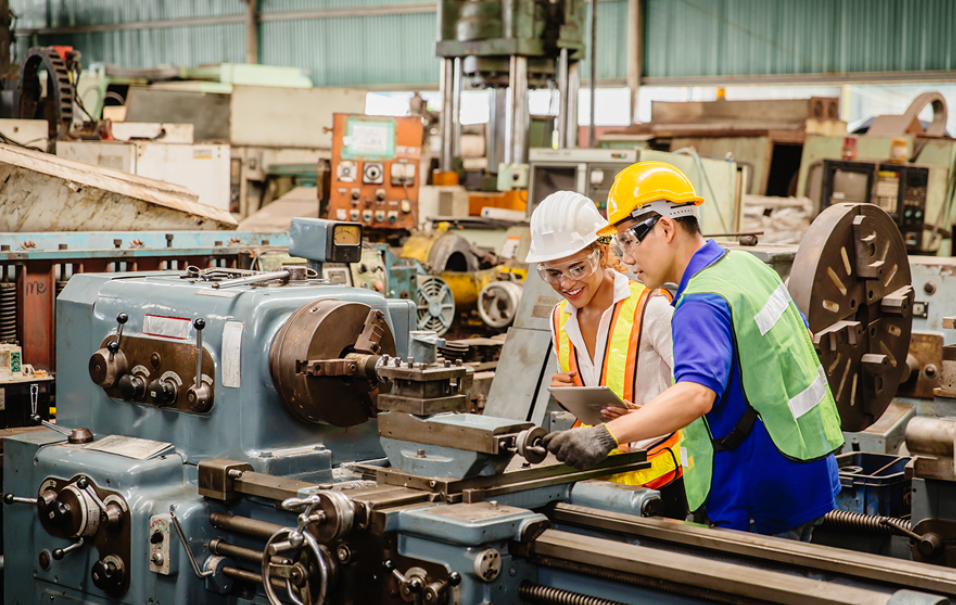
Once safety is guaranteed, quality follows through disciplined processes. First-piece inspection catches setup errors before mass production. In-process checks at every station prevent defect propagation. Final audit ensures only conforming products leave the door.

The data is clear: workshops with the lowest injury rates also have the lowest defect rates. Why? Because safety discipline breeds quality discipline. Workers who are trained to stop a machine when a guard is missing will also stop it when a dimension is out of spec. The same mindset—"do it right, every time"—protects both people and products.
Before starting your shift, ask yourself: Is my PPE intact? Are all machine guards in place? Is the workpiece specification clear? Are my measuring tools calibrated? If the answer to any of these is no, stop and fix it. That pause might save a life—or prevent a $50,000 scrap batch.